
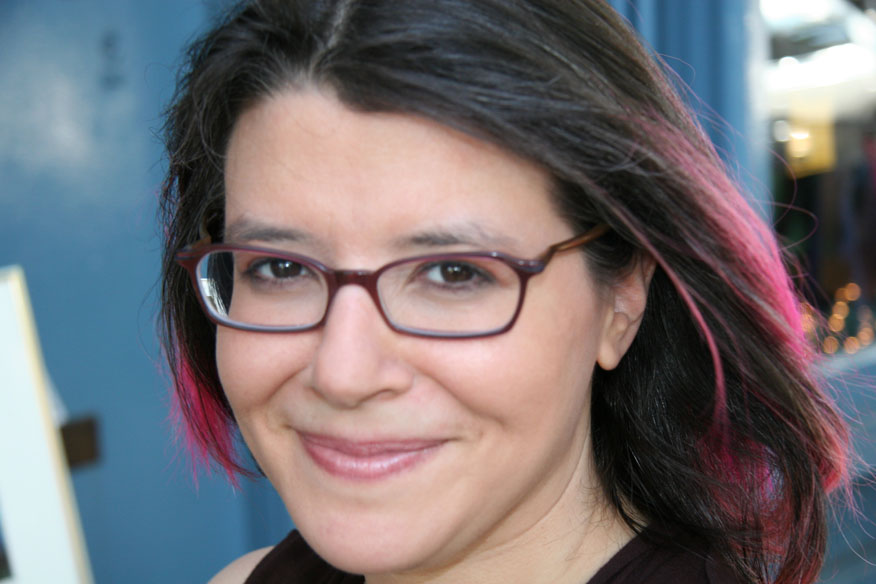
In Happiness she highlights an important point: Our brains have allowed us to survive and prosper on this planet, but not by all-encompassing vision. Rather, it is limited vision that focuses us on a few things while we ignore things that do not aid survival. We survive attacks by beasts and by each other, and threatening weather and climate. Quoting William James from Varieties of Religious Experience:
…our normal waking consciousness, rational consciousness we call it, is but one special type of consciousness, whilst all about it, parted from it by the flimsiest of screens, there lie potential forms of consciousness entirely different. We may go though life without suspecting their existence; but apply the requisite stimulus , and at a touch they are there in all their completeness….No account of the universe in its totality can be final which leaves these other forms of consciousness quite disregarded.
From Aldous Huxley’s Doors of Perception:
The function of the brain and nervous system is to protect us from being overwhelmed and confused by this mass of largely useless and irrelevant knowledge, but shutting out most of what we should otherwise perceive or remember at any moment, and leaving only that very small and special selection which is likely to be practically useful.
James and Huxley wrote about something as old as our first walk on this planet – expanded consciousness, relaxation, joy and insight that comes from use of narcotic substances. We do it now, we’ve always done it. In an age where we operate heavy machinery we have to be more prudent. As Hecht says, riding a horse into a brick wall might not be fatal, but with an automobile would surely be. In times before the industrial age, drug use was common and accepted even in the highest reaches of society, and especially among the intellectual elite. It’s as common now, but not as accepted.
I mentioned among friends recently that I’d like to see what lie behind the curtain of my consciousness, that I’d like to be more in touch with my senses. I’d like to escape forever accounting and taxation and world problems I cannot solve. LSD seemed a natural way to go. It’s not a natural chemical, but virtually all who have taken it have been left unharmed. It’s not a dangerous drug.
Zounds! You’d think I suggested torturing kittens for sport. It will suck my brain out, I was told. It’s dangerous!
I am routinely involved in a far more dangerous, brain-sucking activity – watching TV.
American society is heavily censored, not only for prurience sake (as if sight of female breasts and genitals would harm little boys), but also in use of drugs. Harmless substances like marijuana and LSD are likely to land fines or imprisonment, the latter usually for people of color. Our thoughts are regulated by media censorship (actual and self-inflicted) and rigid marginalization of anyone who expresses anything resembling critical thought (as with those who doubt the official 9/11 story). Ours is an extremely oppressive society, most un-joyful, confining and constricting.
I urge any who read this to drop everything – don’t get drunk, but do get high enough to forget it all and concentrate on important stuff, like the sound of color and what really happened to us that fateful day in September of 2001. Just for starts.
 Piece of Mindful
Hunger Games: old-is-new. Dystopian or Negative Utopian?
In Orwell’s 1984, government oppresses everyone, society is manipulated though message control and self-sensorship, thinking is criminal. Not much happiness. Dystopian could apply, although Orwell did bring negative utopia to life.
In Brave New World life is smashing on the surface. We all believe in happy. We chant happy. Negative utopian: All that violence and torture ignored. Out of sight, out of mind.
Once a mind is “gone,” can it regain consciousness or conscience?
LikeLike
I don’t know if a lost mind can be recovered. It really amounts to deprogramming. PR people make people change voting patterns by using wedge issues like abortion, guns and hatred of foreigners. But it takes something highly emotional (and which has no consequences for wealth and power) to move them even a little bit, say from D to R.
I’d say that once lost, gone, gone, gone forever.
LikeLike
Mushrooms or payote my friend, are natuaral alternatives to LSD. And of course, anything can be lethal if not taken in moderation. More people die from diseases related to over-eating and obesity than from drug overdoses.
LikeLike
Why is natural better? And if it’s all harmless, why worry about how it came about?
All things in moderation.
LikeLike
Happiness is a vegetative state.
LikeLike
False!
Anything else going on today?
LikeLike
“It is not the consciousness of men that determines their being, but, on the contrary, their social being that determines their consciousness.”
They do interpenetrate one another?
LikeLike