
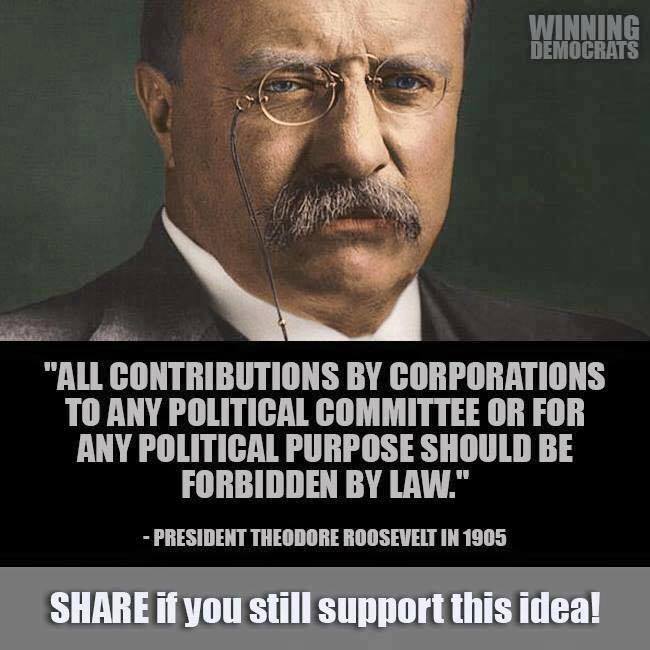
 I encountered the above photo and quote on Facebook, where else? As I scroll down the entries there, I think man, never an original thought. It is all boilerplate cut and paste. That’s Facebook. We’re not exchanging ideas. We’re reading billboards.
Anyway, I commented on the above
“Pretty cool, especially since Teddy was a JP Morgan man.”
My comment got no likes!!!
Just so you know, Teddy Roosevelt, the “Trust Buster,” was controlled opposition, a man put in place to make sure certain interests advanced while others did not, and for whom historians have reconstructed reality. They have made him a man who acted independently of influence.
As a Morgan man, TR was charged with assuring the election of another Morgan man, and so in 1912 ran a third party campaign as a Progressive, the Bull Moose Party, to assure enough votes taken away from William Howard Taft to elect Woodrow Wilson.
Wilson then gave us the Federal Reserve, the income tax, World War I. The Morgan agenda. All of that was thanks to TR, the Trust Buster, who, incidentally, forgot to bust the Morgan trust.
Politicians are puppets on strings. All of them! Ever was it thus.
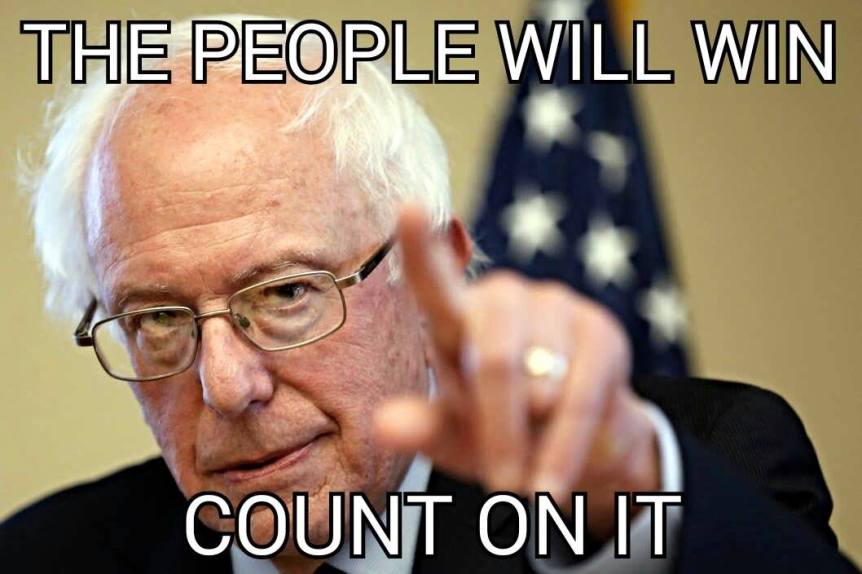 In the comment string below the TR image I found this, however: Bernie Sanders. He is running an independent campaign for president, is is under the influence of no one in particular. He just up and decided to run one day. He is no puppet, there are no strings. This time it is for real.
 And that has nothing to to, nothing, with this other image that constantly comes to mind as I watch the Bernie campaign suck so many people in.
Honestly, I find it so hard to sit here and watch, as if politics were real, candidates were genuine, and there were no puppet masters.
People please, grow up.
 (Cliff Claven, a character on the TV show Cheers, was fortunate in that all six categories on the night he appeared were about beer. He ran up a score of $22,000 in and blew it all when the Final Jeopardy question was on another topic.
 We are in Bozeman for one more day before returning to Colorado tomorrow. Yesterday we skied West Yellowstone, a taxing day leaving us exhausted. We don’t have many opportunities for Nordic skiing where we live, that is, when it snows you have to hit it right away, as within a few days the snow will be iced up.
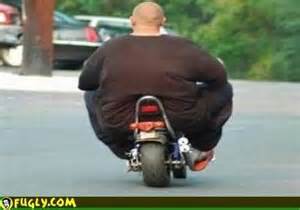
 As I witnessed the (usually) overweight bearded specimens riding the machines, I thought how vulgarized the American outdoor experience has become, snow machines in winter, ATV’s in summer, jet boats and motor boats and massive campers and trailers with satellites so that the occupants don’t miss any TV. We are in decline, surely. I can only hope that succeeding generations recover the experience of wind in the face, tired limbs and sore feet, vistas that take physical effort to behold, simple food and perhaps a rock to sit on and a book to read.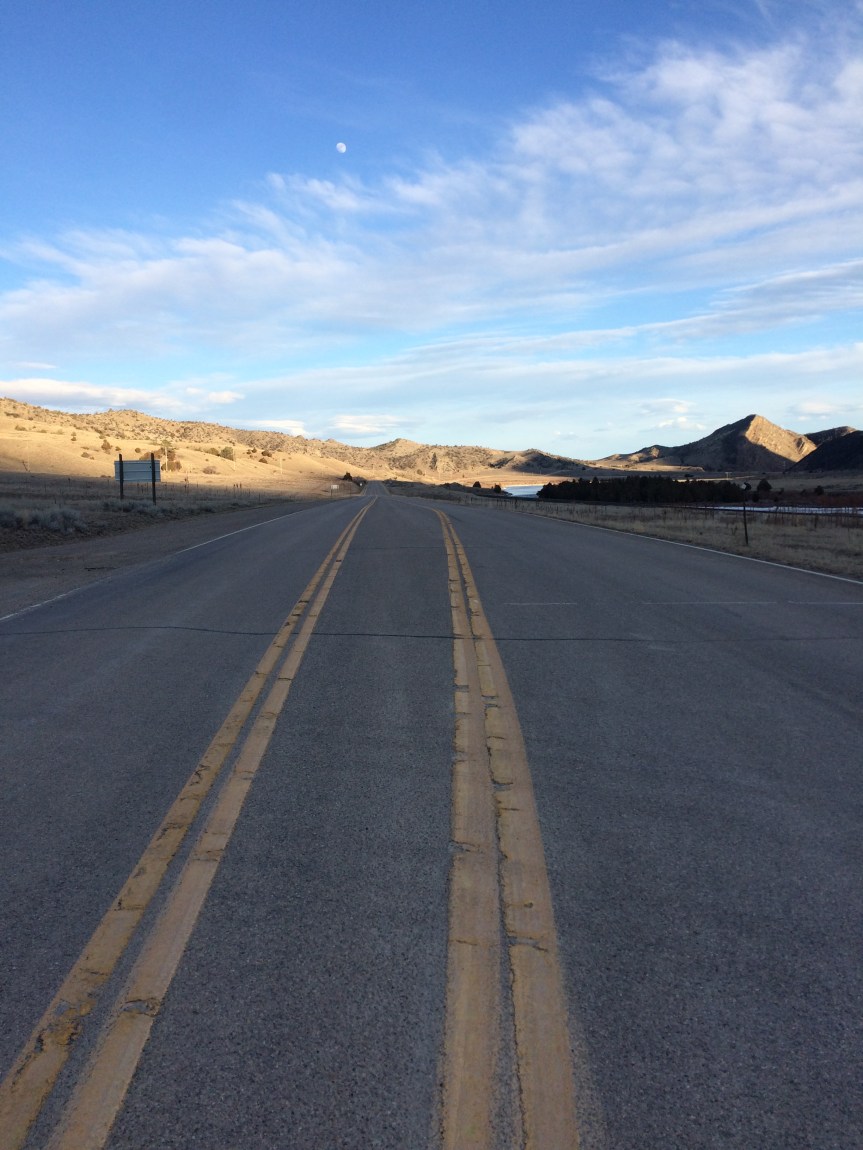
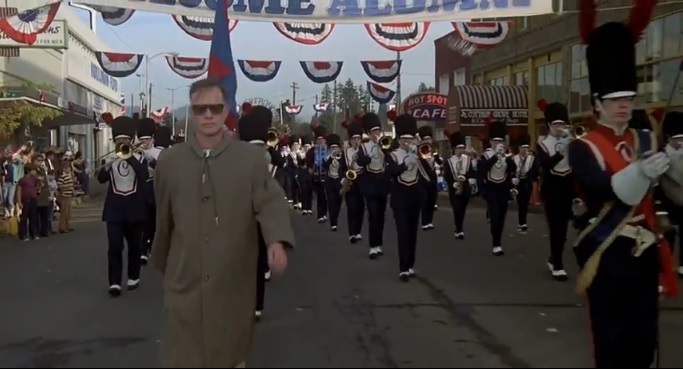 It occurred to me last night as we discussed American politics … once in office whoever wins has no real power. The parade is already in motion, its destination determined by other, more powerful forces. Politicians are nothing but baton twirlers. (Think of the scene in the movie Animal House where the lead baton twirler in the parade is bumped aside and replaced. That is a nice metaphor for our presidential elections.)
 Piece of Mindful