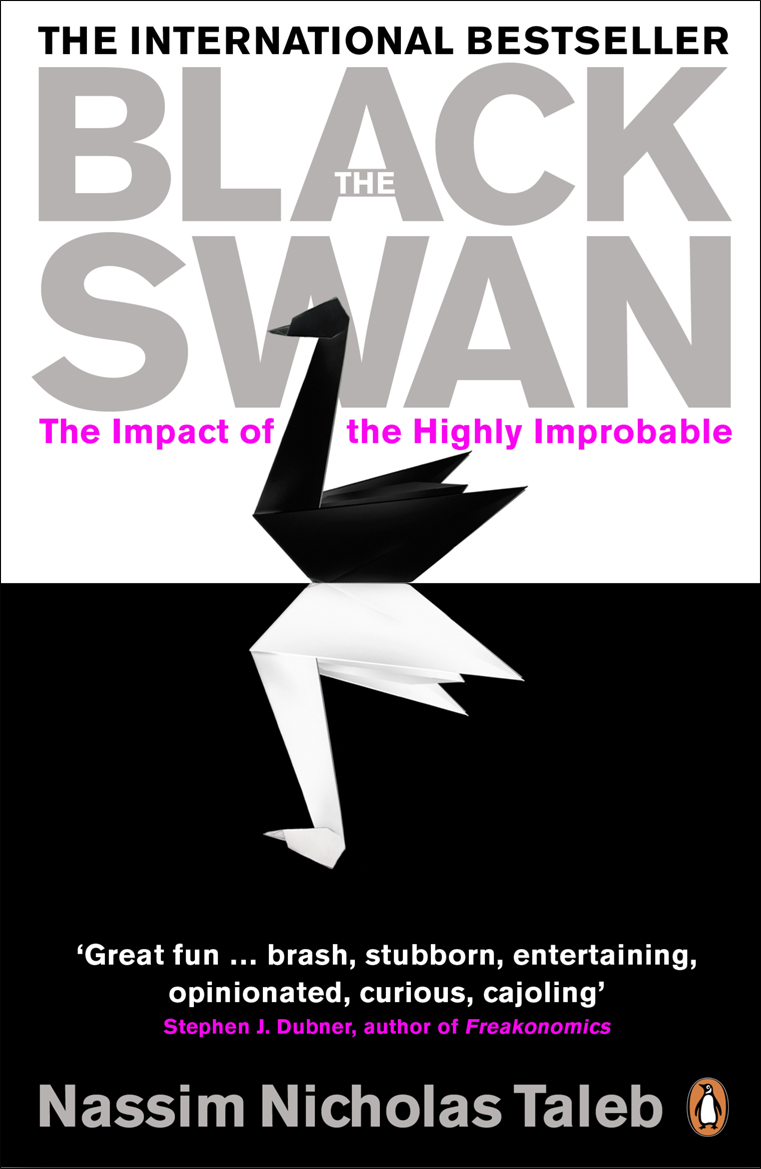
 Where are the original thinkers? I just got hold of a book yesterday, The Black Swan, that I am told offers a fresh perspective on things. If you’ve read it, please give me your thoughts. I won’t get to it for a bit, as I have a couple of un-original books to finish up.
Which naturally leads to the question: What books changed your outlook on things? What writers offer up such unique and fresh insight that you altered your outlook afterward?
I’ll offer a few that have impacted me that way, and then if you are even out there, you do the same. But please take note: I am not interested in books that reinforced your existing viewpoint. Those are easy to come by. We seek them out. I want game-changers only: 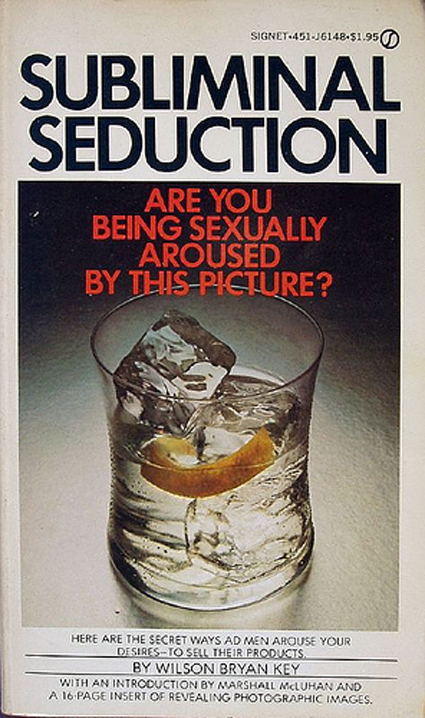
Subliminal Seduction by Brian Wilson Key. I was very young. OK? Wilson had a bonanza of ideas about how advertising messages are really embedded in the pictures and words, hidden beneath the written words. I had a fun time after that looking for embedded messages in ice cubes, but never did find anything. It did, however, change the way I looked at advertising. I have never, since that time, trusted that it is straightforward. Advertising only succeeds to the degree that it undermines our defenses.
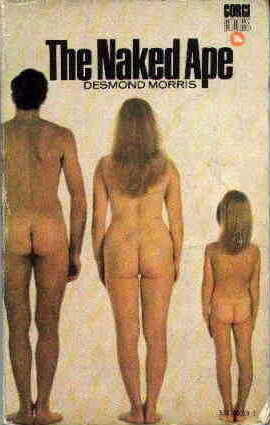
The Naked Ape, by Desmond Morris. Again, I was very young, so forgive me as I pull books off the top-seller shelf. This was the first in a long line of books that would analyze evolutionary man, and how our far-distant past has influenced our present behavior, all the way from wearing neck ties to shaving armpits. I was a Catholic at that time, and when the chapter on religion came around, I cringed. I did not want to read it. The book brought to the surface my religious doubts, and also opened up a whole new area to look at with great interest – the inner meaning of our outer behaviors.
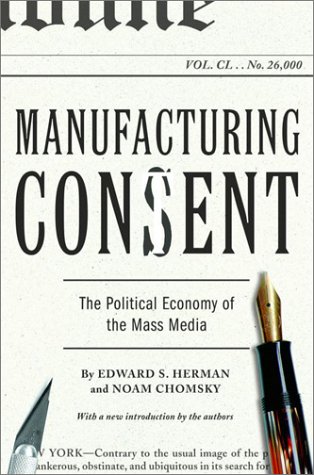
Manufacturing Consent by Noam Chomsky and Ed Herman. Keep in mind that I was in the “bounce” period, and was moving from far right to far left. But Chomsky said things I had never heard before in a way I had never experienced. It would begin a twenty-year affair with him. His mind is critical, his patterns of thought democratic and like me, always cheering for the underdog and resenting the abusers. We think alike to the degree that I think properly at all. I am an underdog kind of guy.
Anyway, this book allowed me, for the first time, to understand the nature of ‘big’ – that is, media is so big that no one person or group of people can control it. But it is subject to pressures, and does bow to power. It gave me a non-conspiratorial view on how societies function. The world is too big for small conspiracies to have an impact. But concentrated power is real.
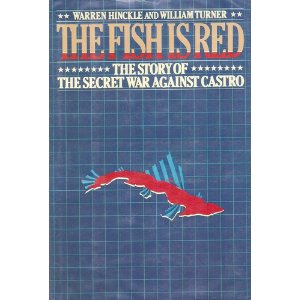
The Fish is Red, by William Turner and Warren Hinckle. This book was written in the aftermath of the Frank Church hearings on CIA activities in the Caribbean from 1959 forward, after the fall of Fulgencio Batista. (This is the only time that Congress has ever investigated CIA activities.) The words “the fish is red” was a line from a poem by E. Howard Hunt that was the encrypted signal that the Bay of Pigs Invasion was to begin. I read it as a right winger, but found it troubling that in many areas it appeared as though the only people saying things that were true were the likes of Fidel Castro. It was troubling. Very troubling.
The Varieties of Religious Experience by William James. James pursued the psychological undercurrent that manifests itself in the form of religious belief, but he was not a Dawkins. He wasn’t debunking or trying to undermine religious belief. He only wanted to understand it. It created in me a respect for religious believers that I had been lacking since I lost my own ‘faith.’ James, himself not a believer, pursued knowledge as a scientist and respected the depth of human intelligence even as we pursue irrational belief systems.
Propaganda, by Jacques Ellul. He is best known for The Technological Society, but I’ve never read that one. This book slowly helped me understand that societies are not random collections of individuals with unique thoughts, but groups whose thoughts are managed by people who have studied the art of propaganda for many many decades. Not all countries engage in this nefarious activity, but ours does. In spades. This is the book that has turned me into the hated soul that I am today, as I don’t think that the original thinkers around us on the blogs have any original thoughts. That sort of thing gets me banned.
Moneyball, by Michael Lewis. I’ve never looked at baseball the same way since.
______________________
Those are the big ones. I don’t keep books forever, and give the ones of lesser influence away at book swaps and the like. This can all be very boring, so I’ll trouble you no further except to ask for books that transformed, rather than reinforced. If you say “Atlas Shrugged”, you are banned! Maybe it transformed you, but I do not want to hear about it!
Also, note that these books, with a couple of exceptions, are very popular. I hate to expose myself as being shallow, but there ya go.