
A while back I offered up what I called “One Last Climate Post“, and indeed I stand by that. My reasoning was that the debate that I was reviewing was very old and that all the players were well known. The “science” was new to me, and I was treading in deep water, not knowing enough about it to be writing about it.
Since that time I have been immersed in the science, and now feel much more comfortable with it. It is accessible to all of us, and not hard to comprehend. All we need do is look around us. For every scary claim by climate scaremongers and doomsayers, there is ample evidence that the planet is doing well. Polar bears are many and healthy, storms, fires, droughts are lessening in number and intensity. Carbon is increasing in the atmosphere, and the positive effects are now coming to fruition with a greener planet. Gradual warming, as has been going on for 400 years now, is a positive thing. Where the Roman Warm Period gave rise to an empire and an explosion in technology, the Little Ice Age brought with it the Dark Ages and Black Death. Our current warm period is yielding more food, more and healthier people and amazing technology.
Continue reading “The New Green Deal and the coming Dark Ages”
 I have long been intrigued by the power of the term “conspiracy theory,” but not because it contains any useful information. It does not. It is a blunt weapon used to beat people into quiet submission even as they hold views of the world around them at variance with their peers and colleagues. It is a powerful thought control device. Its true content is this: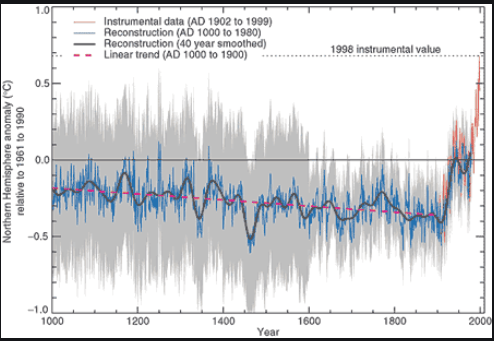
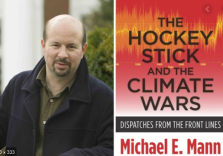 What follows is going to be old news for many readers, so bear with me. The issue of climate change is something that takes time to sink in for me, and I am a late arrival, so please, if you are up to speed already, humor me.
