Thanks to an insightful comment on my recent post titled “Immaculate Deception?” I am now providing a follow-up that puts the final nail in the coffin. The question mark in the title can officially be removed—the deception is undeniable. The evidence speaks for itself.
Patricia Rooney Mara is an American actress. She has received various accolades, including nominations for two Academy Awards, two Golden Globe Awards and a British Academy Film Award. Born into the Rooney (known for it’s connection to sports, owning the Pittsburgh Steelers of the NFL) and Mara (known for owning the New York Giants of the NFL) families.
Is it just me, or do the headlines in 2025 feel unusually alarmist…and bizarre? I don’t typically spend much time digging into the news, and I avoid watching it on television altogether because of its impact on my mental health. My exposure to mainstream media has mostly been limited to quick glances at MSN tabs featuring lighthearted stories like “5 Sandwiches to Order at Restaurants and 5 to Avoid” or “14 Worst Restaurant Chains We Thought Were the Best.”
However, the tone of the news this year seems to have escalated dramatically—and we’re only a week in. Here’s a snapshot of the concerning and chaotic headlines so far:
So, I recently dove into the rabbit hole of a Pittsburgh sporting event so drenched in numerology it practically came with a conspiracy theorist starter kit. The saga starts with the suspiciously early death of Bob Moose, the “goat” of the infamous Pirates game on 10/11/72. Flip that date around and—voilà—you’ve got 9/11/01. Coincidence? Maybe. Suspicious? Definitely.
Fast forward two months to 12/23/72, and the city of Pittsburgh seemingly cashes in its cosmic chips for what NFL Films would later anoint as “The Immaculate Reception.” This wasn’t just a football play; it was a miracle with cleats—a Hail Mary that flipped the Steelers’ fortunes faster than you can say “sports dynasty.” After four decades of mediocrity, Pittsburgh snagged its first-ever playoff win, setting the stage for four Super Bowl titles before the decade’s end.
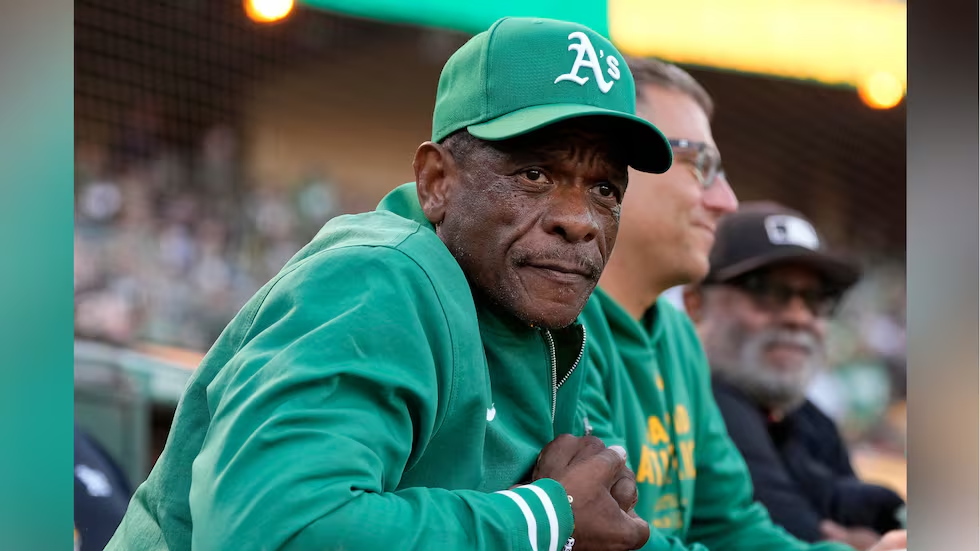
I was born and raised in southwestern Pennsylvania, which meant that by default of where my parents copulated and conceived, “My Teams” were the Pirates, Steelers, and Penguins. A recent interaction with Tyrone on my Rickey Henderson post brought back a particularly vivid and traumatic memory from when I was nine years old.
The memory revolves around a wild pitch thrown by a relief pitcher during the 1972 playoffs—a moment that cost the Pirates their chance at victory. To most, it might seem like just another heartbreaking sports moment, but to my 9-year-old self, it was monumental. I can still recall isolating myself and crying inconsolably, grappling with the crushing weight of disappointment for the first time. In hindsight, those moments teach us to handle life’s setbacks.
But today, with the clarity that comes from five decades of reflection, It’s obvious that it was all scripted. Yes—scripted for dramatic effect. Almost nothing we experience (in the media) is truly natural or organic. Let’s just consider this yet another piece of evidence that manipulation isn’t a new tactic—it’s something we’ve been subjected to for our entire lives.
The (1-minute) video picks up in the bottom of the 9th inning of the final game of the divisional playoffs. The winner would go to the World Series. When he throws the wild pitch, there were 2 outs and only a runner a third. He literally could have walked two more batters. Bob Moose was born 10/9/47 and “died” on 10/9/76 at the age of 29.
Rickey Nelson Henley Henderson passed away on December 20th at the age of 65, leaving behind a legacy as baseball’s greatest leadoff hitter and baserunner. His life and career were a testament to passion, resilience, and an unwavering belief in seizing the moment.
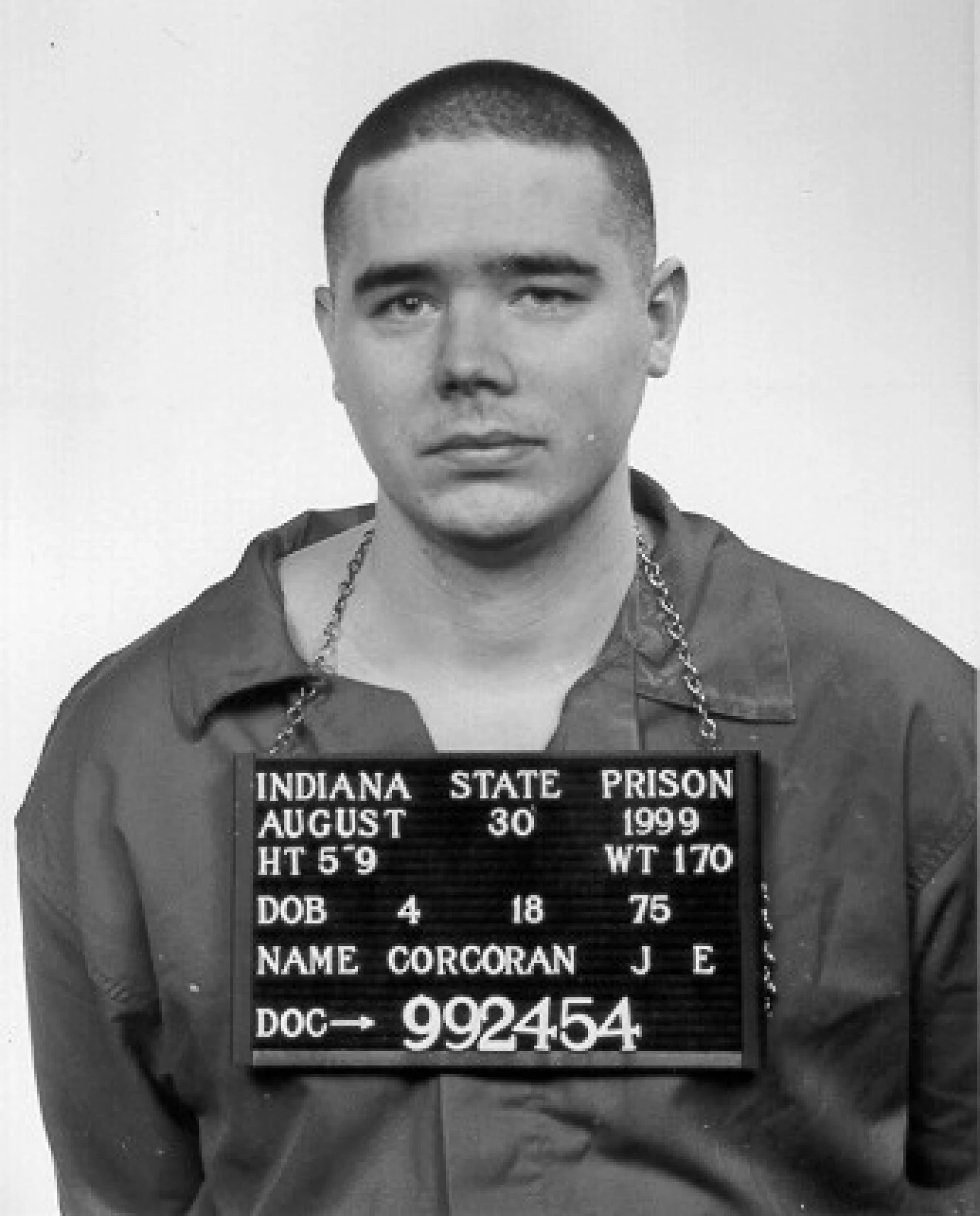
Joseph Edward Corcoran was an American convicted mass murderer executed on December 18, 2024, for a 1997 quadruple murder in Indiana. Corcoran’s story is a whirlwind of family dysfunction.
I’m starting to think I might have a built-in flaw when it comes to searching for photographs. In this media-saturated world we live in, you’d assume it’d be easy to find high-resolution, unaltered images of “notable” individuals. But nope—apparently not. Case in point:
What is it about Joseph’s body configuration that causes his clothing to fall/shift to his right side? I added up the number 992454 on his fake-ass looking placard…I’ll give you 33 guesses what it totals, but you’ll only need one.
After completing my deep dive into the best-selling albums from 1971 to 1979, I’m here to share my personal picks for the 100 most satisfying listens of the decade. Nobody asked for this, but here it is anyway! Keep in mind, these aren’t necessarily the best albums of the era—just the best of the best-sellers. And yes, the list leans heavily toward white male-centric releases. That’s partly because, well, I’m a white male, and also because the 1970s were undeniably a white-male-dominated decade in music.
Selecting the first 50 albums was fairly straightforward, and for anyone over 40, there won’t be many surprises. The second half of the list has been trickier to finalize, but I’m working on it. After spending so much time exploring this musical landscape, I felt compelled to share my findings.
Under each selection, I’ve included a “CliffsNotes” review courtesy of AllMusic. While I typically don’t hold professional critics in high regard—they often feel like industry insiders with unreliable takes—I found myself agreeing with their assessments. Plus, it saved me a lot of effort!
When I was a kid, my parents rented half our duplex to a lesbian schoolteacher. That arrangement went smoothly until her girlfriend’s “overnight tutoring sessions” became a bit too frequent, and she got the boot. I bring this up because this teacher once threatened to wring my neck if I didn’t stop playing the Chipmunks’ Christmas classic “Christmas Don’t Be Late” on an endless loop. Yep, I was obsessed with that song. In hindsight, I get it. Listening to Alvin and the gang whine about hula hoops 50 times in a row could push anyone to the brink.
Fortunately, I grew out of it—no more Chipmunks. In fact, I can’t remember ever buying a Christmas album, for myself or anyone else.
As I continue to trudge through the musical gold and platinum mines of 1971-1980, I can’t help but wonder: did people actually listen to this stuff? The sheer volume of mediocre music churned out during this time could only be explained by three quintessentially American tendencies:
Questionable taste (let’s call it “poor discernment” to be polite).
A suspiciously robust ability to spend money we don’t have.
An insatiable hunger for entertainment, no matter how mind-numbing.
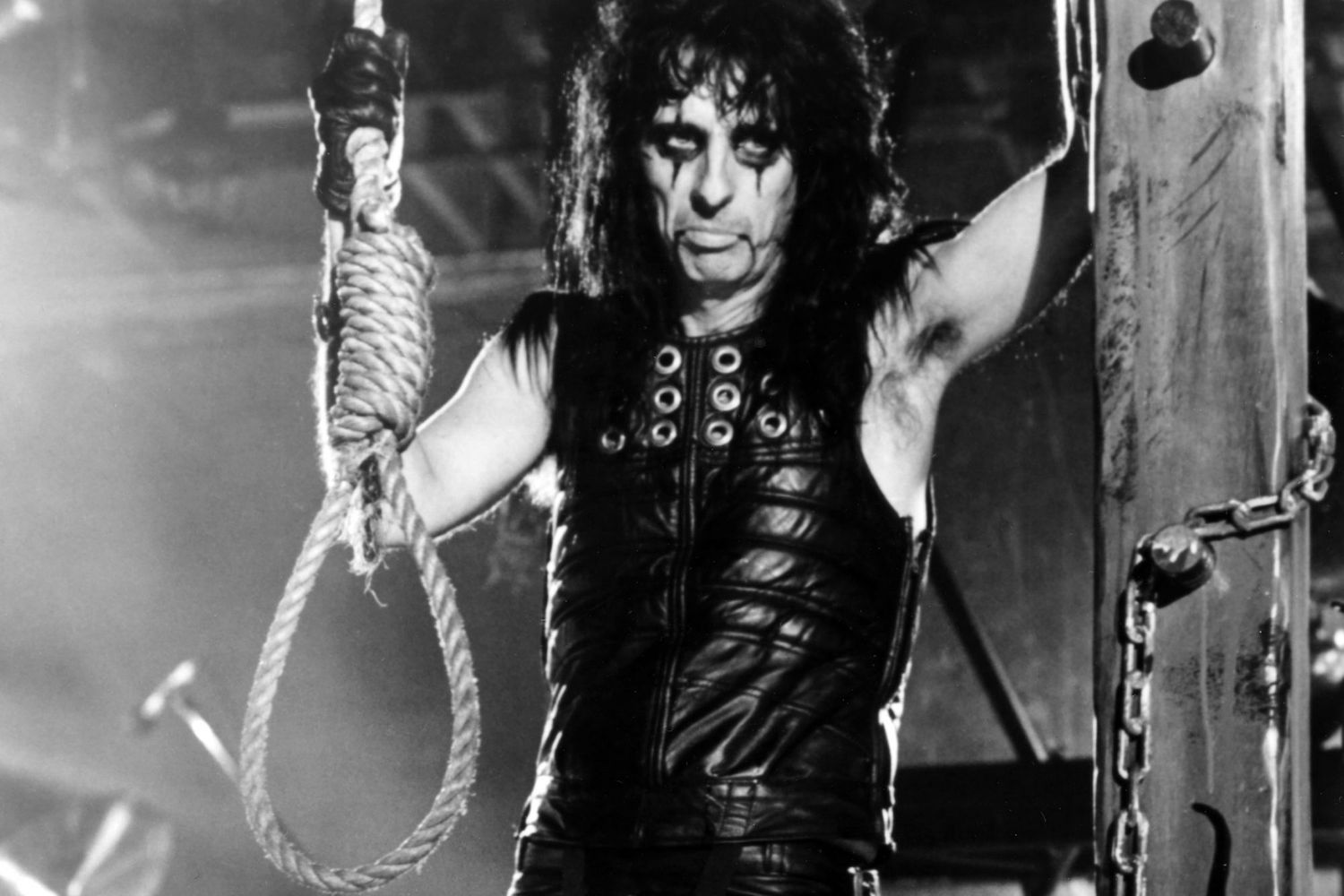
After the dissolution of The Doors in 1971, another band emerged to fill the void of dark, theatrical rock: the Alice Cooper Band. That year, they released two albums, Love It to Death and Killer, both of which showcased impressive musicality. However, their true standout feature was their bold embrace of taboo themes, including manic insanity, necrophilia, and the infamous “Dead Babies.” Such provocative subject matter inevitably drew criticism and sparked debates about artistic intent, with defenders dismissing objections as either prudish overreaction or a failure to appreciate the dark humor and performance art inherent in the work.



 Piece of Mindful