
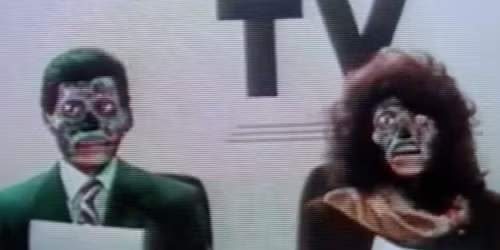
At a family gathering last weekend I spoke up, not my usual self. I had been up since 4AM and the chatter around me was a bit distracting as I tried to concentrate on my cards. I am not sure what piece of information had been delivered by the group, but I finally said in frustration that it was amazing to me how TV engendered not just belief, but instant belief. I was corrected by someone there that it is best to check a number of sources before forming an opinion, which (I did not say) is difficult when one is dealing with a hypnotic medium, TV.
Category: Media
The Horse is Dead
The 1960s were a breeding ground for psychological operations—whether it was the Cuban Missile Crisis, the assassinations of JFK, RFK, and MLK, the Manson family saga, or the Kent State massacre. These events shaped a generation, but it wasn’t until the 1990s that the architects of mass perception found their perfect formula.
Initially, I set out to catalog the most infamous psyops of the 1990s, highlighting their patterns and implications. But in the end, I’ve succumbed to the sheer futility of it all. As one astute commenter noted, perhaps the better course is to forget—to untangle oneself from these constructed narratives and move forward.
Still, for the sake of posterity, here are some of the most notable psychological operations of the 1990s, ranked in no particular order:
- The Simpson Trials (1995) – A media circus that turned a double homicide into the ultimate courtroom spectacle, setting the standard for sensationalist legal coverage.
- Lorena Bobbitt (1993) – A domestic abuse case twisted into tabloid gold, shifting public discourse on gender and violence in ways both grotesque and performative.
- Y2K (1999) – A manufactured panic that convinced millions the world might end at the stroke of midnight on January 1, 2000.
- The Gulf War (1990) – A conflict sold with precision-marketed propaganda, complete with staged testimonies and made-for-TV missile footage.
- Nancy Kerrigan/Tonya Harding (1994) – A bizarre, soap-opera-style scandal that turned figure skating into a battleground of class warfare and villainous narratives.
- The Waco Siege (1993) – A tragic standoff that played out like a scripted horror, setting the stage for future debates on government overreach.
- The Oklahoma City Bombing (1995) – A national tragedy that reinforced domestic terrorism as a dominant fear in the American consciousness.
- The Monica Lewinsky Scandal (1998) – A presidency consumed by sex, scandal, and the relentless 24-hour news cycle.
- The Columbine Massacre (1999) – A defining moment for media-fueled moral panic, spawning myths and policy shifts that still linger today.
- Long Island Lolita (1992) – A lurid crime that became a spectacle of tabloid excess, reducing real-life violence to daytime talk-show fodder.
- Olympic Park Bombing (1996) – A moment of terror at the Atlanta Olympics that ignited debates on security, civil liberties, and the dangers of trial-by-media.
Ultimately, my humble suggestion is this: expunge these events from your mind and experience. They were never meant to inform, only to distract. Even as I list them here, I recognize the irony. But perhaps acknowledging the game is the first step toward moving beyond it.
Now, back to real life.
90s Psyop #9: The Olympic Park Bombing

The 1996 Centennial Olympic Park bombing was supposed to be the work of a lone extremist Eric Robert Rudolph, a radical anti-government survivalist who, we are told, managed to pull off a terrorist attack in the middle of the Olympic Games using little more than a pipe bomb and backpack. But, as with so many stories of national tragedy, this one follows a very familiar script: an explosion, a rapid scapegoat, a media feeding frenzy, and government response that – coincidentally, of course – expands state control.
Insert different names and locations, and you could be talking about Oklahoma City, 9/11, the Boston Marathon Bombing, or any number of suspiciously convenient crises that just so happen to lead to increased surveillance, stricter security measures, and a general tightening of the noose around personal freedoms.
Continue reading “90s Psyop #9: The Olympic Park Bombing”American Psyop – 90s Edition (The Long Island Lolita Hoax)
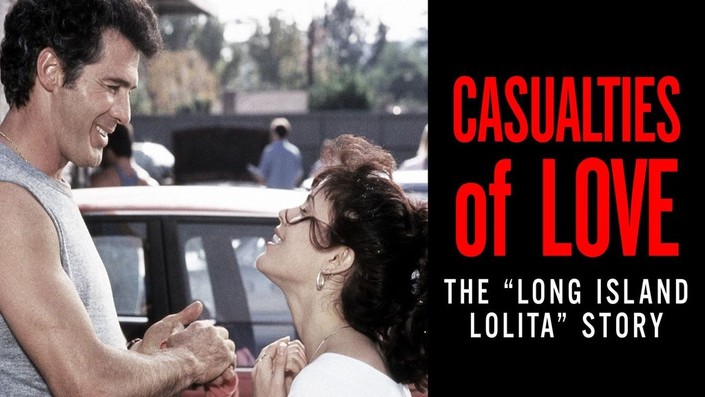
I’ve decided to post summaries on what I consider to be the Top 10 hoaxes of the 90s. This absurd and lurid tale came in at #10. The follow-up at #9 will be the Olympic Park Bombing.
In the summer of 1992, Long Island – a land known for big hair and even bigger attitudes – became ground zero for a love triangle so absurd it felt like an R-rated after-school special gone wrong – an intricate mix of media hysteria, suburban drama, and one too many perms. Enter Amy Fisher, a semi-fictional 17-year-old femme fatale/high schooler whose hobbies included wielding a .25-caliber handgun and teasing middle-aged men – when she wasn’t busy teasing her hair.
Continue reading “American Psyop – 90s Edition (The Long Island Lolita Hoax)”Are Headlines in 2025 More Alarmist Than Ever?
Is it just me, or do the headlines in 2025 feel unusually alarmist…and bizarre? I don’t typically spend much time digging into the news, and I avoid watching it on television altogether because of its impact on my mental health. My exposure to mainstream media has mostly been limited to quick glances at MSN tabs featuring lighthearted stories like “5 Sandwiches to Order at Restaurants and 5 to Avoid” or “14 Worst Restaurant Chains We Thought Were the Best.”
However, the tone of the news this year seems to have escalated dramatically—and we’re only a week in. Here’s a snapshot of the concerning and chaotic headlines so far:
Continue reading “Are Headlines in 2025 More Alarmist Than Ever?”Right in the Nuts
As I continue to trudge through the musical gold and platinum mines of 1971-1980, I can’t help but wonder: did people actually listen to this stuff? The sheer volume of mediocre music churned out during this time could only be explained by three quintessentially American tendencies:
- Questionable taste (let’s call it “poor discernment” to be polite).
- A suspiciously robust ability to spend money we don’t have.
- An insatiable hunger for entertainment, no matter how mind-numbing.
Investigating Social Engineering in Music: Alice Cooper
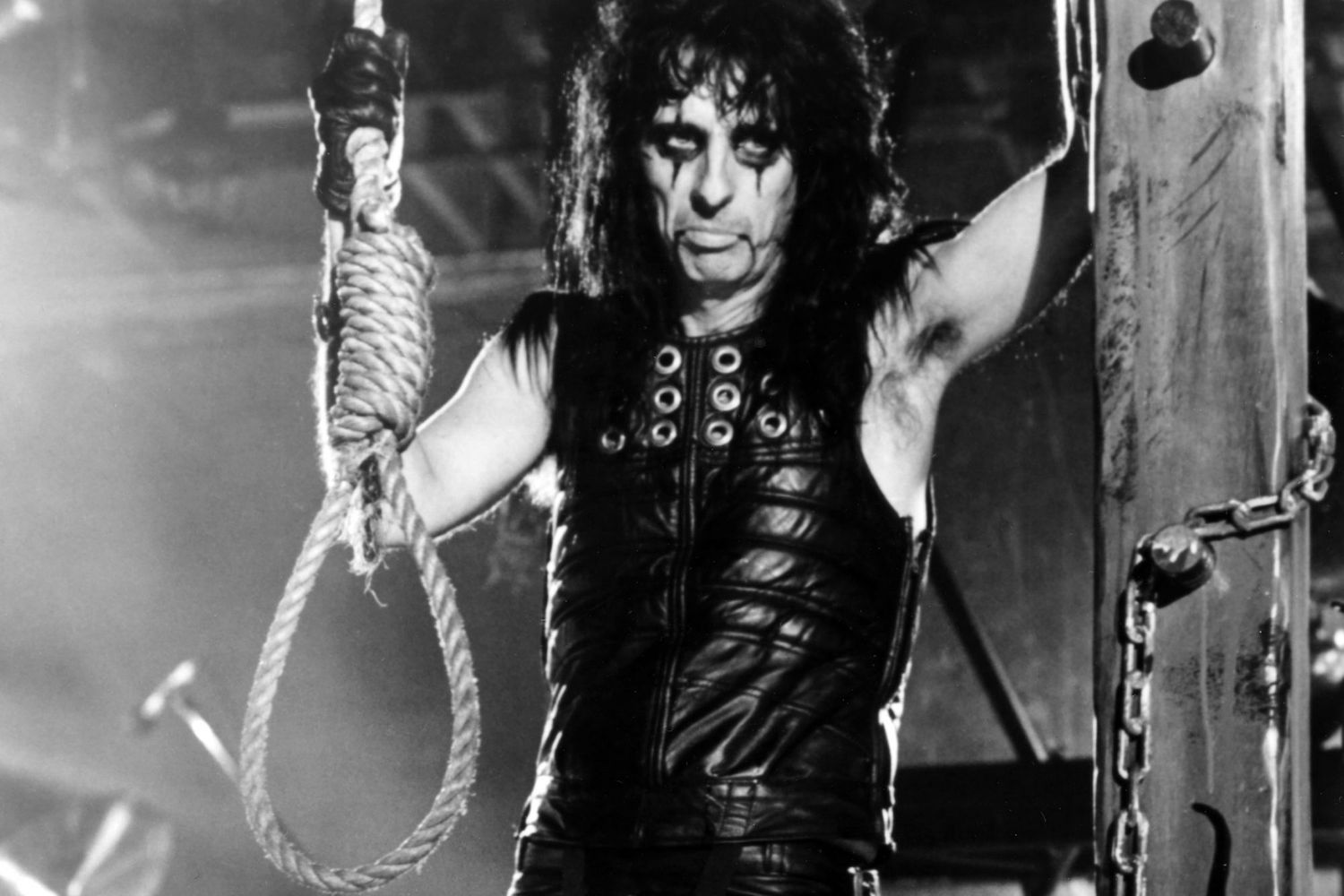
After the dissolution of The Doors in 1971, another band emerged to fill the void of dark, theatrical rock: the Alice Cooper Band. That year, they released two albums, Love It to Death and Killer, both of which showcased impressive musicality. However, their true standout feature was their bold embrace of taboo themes, including manic insanity, necrophilia, and the infamous “Dead Babies.” Such provocative subject matter inevitably drew criticism and sparked debates about artistic intent, with defenders dismissing objections as either prudish overreaction or a failure to appreciate the dark humor and performance art inherent in the work.
Manipulative Melodies: Investigating Social Engineering in Music
I’ve been taking a stroll down memory lane with the top-selling albums of the 1970s, a sort of personal farewell tour. But don’t worry, this isn’t one of those “farewell” tours that music acts like The Who or Cher love to milk for decades. No, this is more like revisiting old haunts, savoring the bitter and the sweet, and offering a proper “so long” to the soundtrack of my youth. During the golden years of 1971 to 1980, I went from nine to eighteen—a stretch of time that perfectly bookended my high school era. Naturally, the music of this decade made a massive impression on me. But, like that friend who overstays their welcome, a lot of these songs have been played to death. My old kit bag will carry only a few carefully chosen relics as most of the overexposed hits are being gently but firmly shown the door.
Continue reading “Manipulative Melodies: Investigating Social Engineering in Music”“Notable Death” Watch – (Earl Holliman)
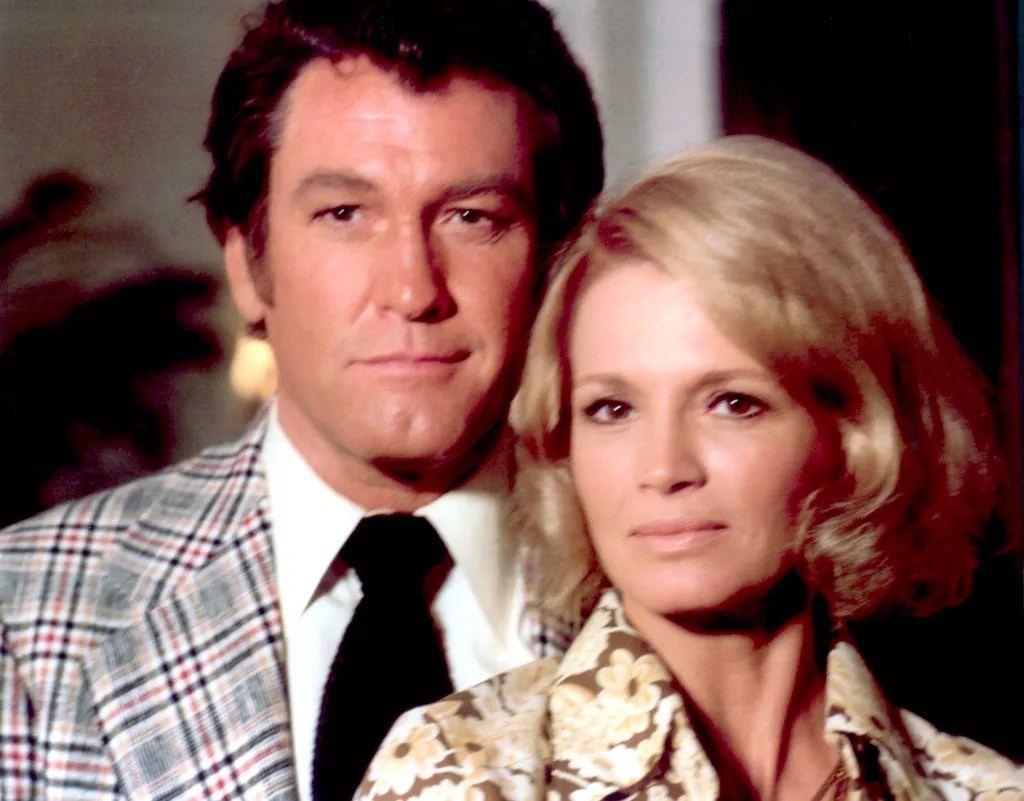
Earl Holliman, a name every film buff should recognize, was one of those actors who seemed to pop up everywhere—movies, television, you name it. Born on September 11 (yep, even back then, the date existed), Earl’s biological father, William A. Frost, was a farmer. Now, here’s where it gets interesting—or awkward. Earl’s mom, Mary Smith (honestly, could her name sound any more like an alias?), already had six kids under her belt when Farmer Frost strolled into the picture.
But plot twist! Mary wasn’t married, and Frost apparently thought, “You know what this struggling, impoverished woman really needs? More drama!” According to Wikipedia, Mary had no choice but to give baby Earl up for adoption because, well, poverty and solo parenting don’t exactly scream “happily ever after.”
Continue reading ““Notable Death” Watch – (Earl Holliman)”My “notable death” Dossier (11/21/24)
Source-ery
Reggie Gibson, better known as the rapper Saafir, passed away on November 19. While no official cause of death has been released, it was reported that he had experienced ongoing health challenges since a severe back injury in 1992, sustained during his escape from the hard landing, crash, and subsequent fire of TWA Flight 843.
Details about Saafir’s early life and family are scarce. According to Wikipedia, he reportedly lived with Tupac Shakur during their youth. Given Tupac’s background as an effeminate ballet student at the time, some may speculate about the nature of their relationship, though this remains purely conjecture.
Continue reading “My “notable death” Dossier (11/21/24)”
