
Envision a small room full of children and toys. The toys are of the boring kind, plastic bats and wiffle balls, those spongy basketballs that don’t bounce very well, and plastic tables and chairs with tea sets where most of the pieces have long been lost. It’s a boring time for the kids, but they are young and so don’t know what they are missing. They can use their imaginations and somehow make fun of it all.
In a few years their imaginations will be gone. The room will wear them down, make them forget how to pretend and have fun. Then they’ll be ready to be regular people.
The kids have a room monitor to watch them all day long. They are never left alone unless they are asleep, and even then the room monitor listens in through a microphone and can peep in through a spy hole.
Outside the small room is a town full of people, a forest full of danger and excitement. But the kids never get to see that, at least on their own. They are kids. They get in the way. We hired people to keep them in that room so we can go on about our business. They can be a nuisance, after all, so many questions, so much energy.
And the forest – don’t even think about it! Maybe the monitor will take them there on a field trip, but they will be watched closely. Grown-ups are scared in the forest too, and usually don’t go there without a gun. But the kids are curious. There is genuine excitement and danger out there. Creative impulses are set free. The games they could play in the forest are so much more intense than swinging a plastic bat or sipping fake tea from a tiny cup. They invigorate the kids, make them hard to manage.
I know, if you’ve read this far, that you think I have constructed an allegory about our school system. It does work that way. School, as we do it, destroys youth and kills imagination. As designed.
But that is not my thrust. The allegory is about our political system.
Voters are kept in a small room and only allowed to play with bad toys, these awful candidates who are insincere and won’t have any power after the election anyway. Voters are kept far away from the real action.
Voters are discouraged from exploring on their own. Even if they want to leave the system, they are always brought back to the room and told “Vote. It’s your duty. But only for one of these two. That’s your choice.” Voters are not allowed real games and candidates, or to have a real say in how their country is run.
That is all that elections are, folks – a way of keeping us out of everyone’s hair. The more we believe, the harder we debate and fight about our candidates, the better for the real leaders.
After all, we are the children. We have to stay busy doing something, and elections are the best way yet devised to soak up our energy, kill our imaginations, and keep us out of their hair.
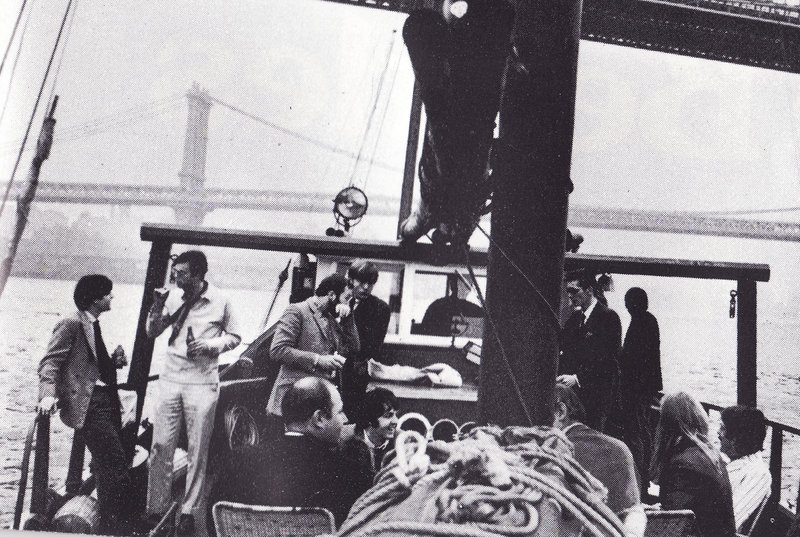
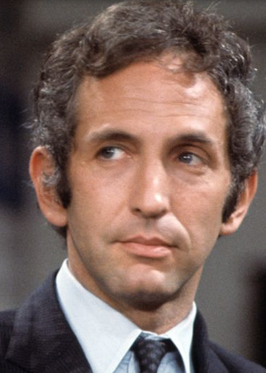 To have been young, in my twenties, during the time of Watergate, was fortunate. Of course I did not understand it – very few did then, and possibly fewer now. The obvious object was removal of a president, replacement by a cardboard cutout. But the psychological aspects are far more intriguing than the outcome. For a period of two years we were hit with a barrage of false news, false hearings, liars telling liars about other liars, and the news media positioning itself as an investigative body.
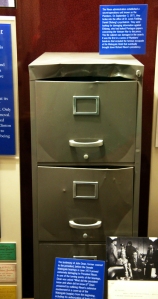 Observe the scene, August, 1971, when five CIA operatives broke in to the office of Lewis Fielding, Ellsberg’s psychiatrist. Set aside for the moment the strange notion of a man of such high intellect and position needing a shrink. That was probably an invention. The important thing was the break-in. It was sloppy, meant to be discovered, and its discovery got Ellsberg off the hook. As was intended from the beginning. Like a TV sitcom, it was the last-minute wrap-up that resolved all the problems.*
 That is all just to lay groundwork for the next false leader I want to expose, Jenny McCarthy.
 I am going to continue on the path of false leaders, as it seems a rich vein to mine, offering a broad view of the degree of thought control that exists in our society. Our masters do not let the dog wander freely. We are always on the end of a leash even if we do not know it.
 Piece of Mindful